About me
I am an author, journalist, editor, researcher, strategist, advisor, coach, and amateur woodworker.
With the possible exception of that last one, each role serves a common purpose, and that is to tell worthwhile stories and spread the word of design, building, and manufacturing innovators who are going above and beyond to do something bold and restorative on behalf of their profession and our planet.
I partner with conscientious designers and building professionals to craft stories and pursue publishing opportunities. My ideal client is as much a large firm with a bunch of COTE Awards and LEED Fellows as it is a small or mid-size firm with aspirations to attain those very things and more.
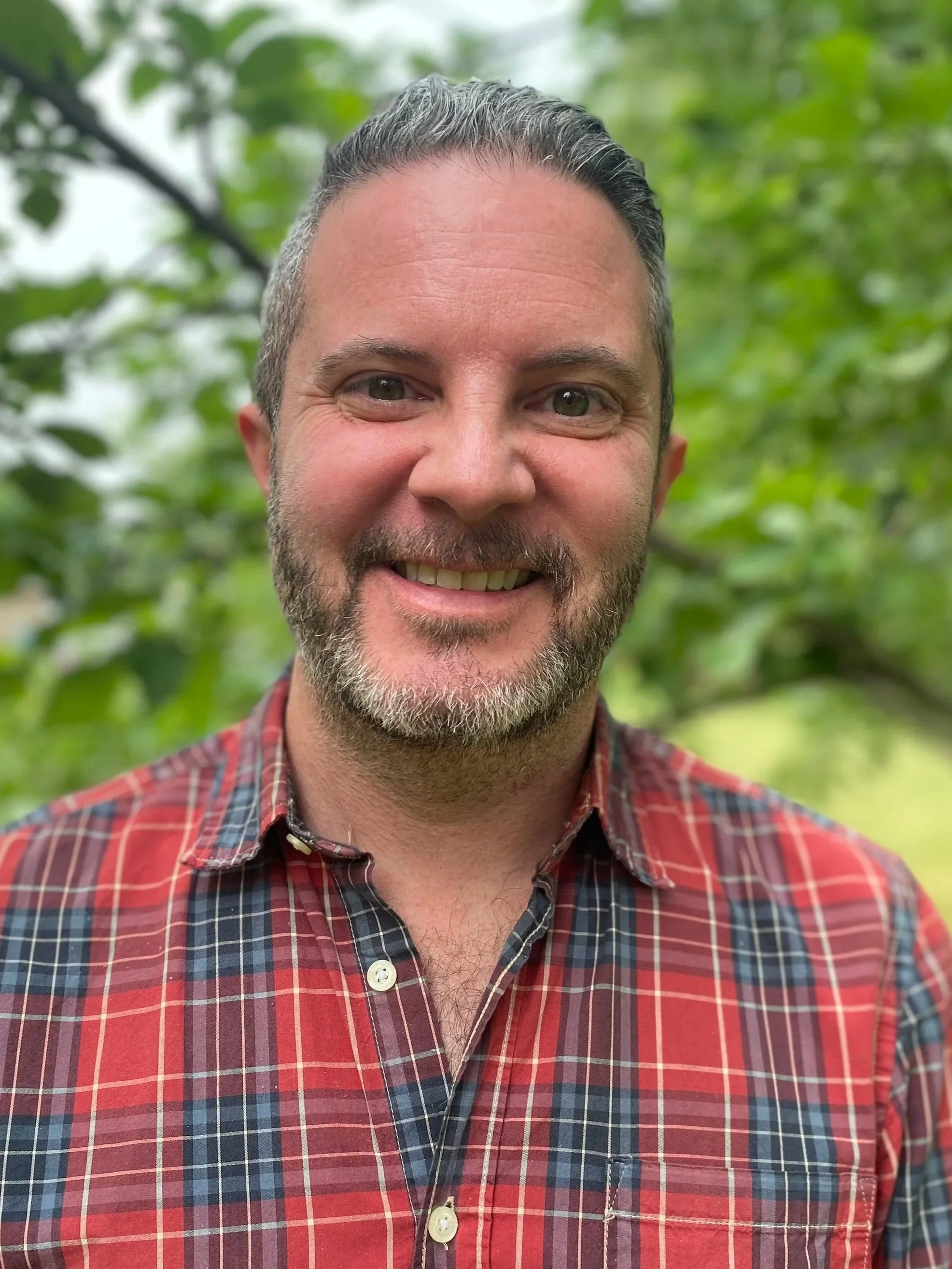
I have two decades of experience in corporate communications and media relations, working on behalf of AEC firms, non-profits, and cultural organizations. My byline regularly appears in Green Building Advisor,AIA Architect, Metropolis, Fine Homebuilding, and Green & Healthy Maine. My writing has also appeared in Architectural Record, Architect’s Newspaper, Common Edge, ENTER (AIA MN), Frank Lloyd Wright Quarterly, and elsewhere.
I am the author of two books in the Living Building Challenge series: Healing Ground, Living Values: Stanley Center for Peace and Security (2024) and The House Up on the Hill: The Revolutionary HMTX Headquarters (2025), as well as the 2025 report “Design to the Nines: Using Regenerative Materials to Restore Earth’s Nine Planetary Boundaries,” all published by Ecotone/Living Future.
See my Portfolio page for more details. And please connect and stay in touch with me on LinkedIn.
My AI pledge
I do not and will not employ any Artificial Intelligence (AI) tool for the expressed purpose of drafting articles, case studies, project narratives, award submissions, or any other content for which I have been hired to create.
However, please don’t confuse this pledge as a general assailment of AI. I applaud many innovators in design and building circles who have made great use of generative AI models to date, particularly in the areas of building operations, energy modeling, specifying healthy materials, and whole-building life cycle assessments. When appropriate, I do use large language models (LLMs) for technical research, analysis, and proofing.
This is a complicated and evolving topic, and certainly something that cannot be ignored and unregulated for much longer. If our industry is to move forward; if the green building movement is to remain relevant; and if circular, low-carbon economies are to ever reach scalability, AI will play an integral part in those efforts.